How Africa approaches its critical minerals endowment will either be a boon or curse


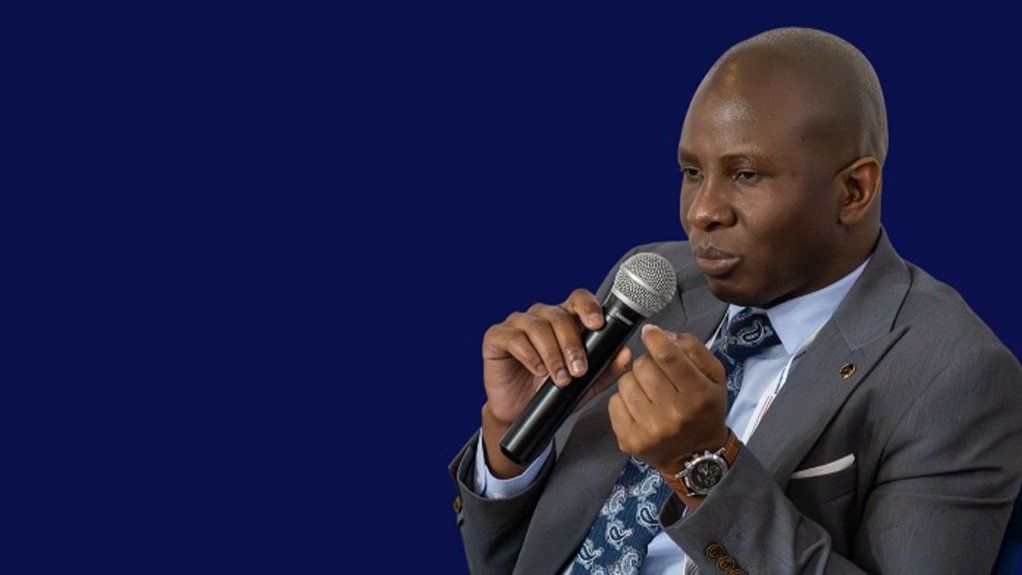



DR MARVELLOUS NGUNDU Africa has seen commodity booms before, but this moment will only be transformative if it is used to build institutions, regional markets and diversified economies
VUSI MABENA There is potential for the region to benefit significantly by growing its critical minerals mining activities during the global energy transition if its mineral value chains are efficient
DR JONATHAN HAMISI Artisanal and small-scale mining is a significant player in the supply of the minerals and metals critical for the energy transition and digital economy
COBUS VAN STADEN The main actors that will change Africa’s position in the critical minerals value chain are African governments themselves







In the worldwide race to transition to cleaner, more sustainable energy sources, the demand for critical minerals has never been higher than it is today and Africa is well positioned to meet global demand. However, the continent must move up the global value chain from raw materials exporter to realise sustainable and equitable value creation for potential and existing stakeholders in the countries where these minerals are mined.
This is a strategically important moment for Africa, says Institute for Security Studies African Futures and Innovation senior research consultant Dr Marvellous Ngundu.
Speaking to Engineering News & Mining Weekly Africa Edition, he explains that while critical minerals increase the continent’s geopolitical relevance amid the global energy transition, the real opportunity lies in converting resource endowment into industrialisation, jobs and fiscal gains, beyond raw materials exports.
“Africa has seen commodity booms before, but this moment will only be transformative if it is used to build institutions, regional markets and diversified economies, not just increase exports.”
Most Southern African countries are endowed with at least two critical minerals and others have more, says Mining Industry Association of Southern Africa (Miasa) executive secretary Vusi Mabena.
“There is potential for the region to benefit significantly by growing its critical minerals mining activities during the global energy transition if
its mineral value chains are efficient.”
The uptick in global critical minerals demand is also attracting considerable interest from Africa’s informal artisanal and small-scale mining (ASM) sector, and is reshaping ASM activity across the continent, highlights Intergovernmental Forum on Mining, Minerals, Metals and Sustainable Development (IGF) senior geologist and senior policy adviser Dr Jonathan Hamisi.
“ASM is a significant player in the supply of the minerals and metals critical for the energy transition and digital economy. Behind the tonnes of raw material extracted through ASM, stand more than 40-million ASM miners globally, each likely with a family. If we truly believe in a just energy transition, we cannot overlook the miners and their communities, and we cannot leave them behind,” he stresses.
Meanwhile, China has slowly increased its stake in Africa’s mining industry, especially in critical minerals, while the Western world looked to limit its exposure to higher-risk mining jurisdictions, such as the Democratic Republic of Congo (DRC), mainly owing to environmental, social
and governance concerns, regulatory uncertainty and risk appetite, amid lower cobalt prices.
“More recently, the US and EU have renewed their engagement through partnerships and strategic initiatives, but they are now entering a landscape where Chinese companies and other actors already hold a strong position, requiring a more competitive and coordinated approach,” states Dr Hamisi.
Independent, nonpartisan multimedia initiative China Global South Project research head Cobus van Staden says while China is criticised for earlier resource-for-infrastructure deals, the country is a relative newcomer to the African mining sector compared with Western powers.
“Chinese companies make up less than 10% of the total African mining sector. Western countries such as Australia and Canada still comprise the vast bulk of foreign investment in African mining,” he says, noting that China took advantage of Western companies’ disinterest in certain mining jurisdictions, coordinating external engagement with the growth of its domestic industrial planning.
“There was no gun to the heads of Western mining companies. They were willing sellers. It was only later once it became clear what role critical minerals would play in the industrial sense that Western governments increased political pressure on Western companies to re-enter these markets. These companies, however, remain unenthusiastic about reinvesting,” states Van Staden.
Governments Capitalising on Critical Demand
Dr Hamisi says ASM has become a significant part of global cobalt supply, which is largely concentrated in the DRC.
“In response, the country’s government has introduced reforms aimed at improving regulation and capturing more value from the sector.”
This includes the creation of State-owned entity Entreprise Générale du Cobalt to oversee and formalise the trade of cobalt, germanium, tantalum and niobium produced through ASM operations. While implementation remains ongoing, this reflects a clear shift toward greater State involvement in managing ASM linked to critical minerals.
For lithium, in countries such as Zimbabwe, the rise in global demand has also led to rapid growth in ASM activity, often focused on the extraction of lithium from pegmatites or even from legacy mining waste.
“In response, in December 2022, the government introduced a ban on the export of unprocessed lithium ores under the Base Minerals Export Control framework, with the aim of promoting local beneficiation. This has had a direct impact on ASM operators, many
of whom relied on informal export channels, and often lack access to beneficiation facilities” avers Dr Hamisi.
Mabena acknowledges that the banning of raw critical minerals exports is a developing trend in Southern African Development Community (SADC) member States – namely Malawi, Namibia, Tanzania, the DRC and Zimbabwe.
For example, emerging lithium producer Zimbabwe has incrementally restricted lithium exports since December 2022 culminating in a complete ban in February this year to encourage investment in processing facilities and, thereby, advance local value addition. There are plans under way to build processing plants in-country, adds Mabena.
Similarly, the DRC banned cobalt exports in February 2025, primarily with the intention of managing global market imbalances, as oversupply had put significant downward pressure on prices. The ban was extended for another three months in June last year, following which it was replaced with a strict quota system in October 2025.
“Although the ban has been lifted, the DRC government is yet to publish regulations on quotas and the level of processing,” highlights Mabena, advancing that the way forward involves developing processing plants with the support of government through industrial incentives for investing in such plants and affording those investors generous tax incentives as well.
“Thereby, countries will benefit from growth in GDP, industrialisation and jobs,” he emphasises.
Exploring Local Value Chain Creation
Dr Ngundu says African governments should shift from concession bargaining to value-chain bargaining by linking access to minerals with clear conditions on local processing, infrastructure, skills and technology transfer.
“Diversifying partners and avoiding overdependence on any single power is also critical.”
However, moving beyond raw exports requires reliable infrastructure, targeted industrial policy and skills development, he adds.
“This is alongside realistic and selective entry points into value chains. Regional value chains under the African Continental Free Trade Area will be critical to achieving the necessary scale.”
Ngundu says that if governance and industrial policy improve, Africa could transition from a raw materials supplier to a competitive player in global clean energy value chains.
Mabena argues that although the association’s members cannot extricate themselves completely from processing raw minerals, Miasa regards this as the function of manufacturing.
“The mining industry can beneficiate raw critical minerals in Africa to a basic concentrate, but it does not have the capability to fully beneficiate raw minerals to downstream products ready for manufacturing of finished goods.
“In some SADC member States, mining companies are required to support local beneficiation by selling at least 20% of their raw mineral concentrates to local manufacturers for processing before exporting any of their raw critical minerals production.”
However, Mabena stresses that not all SADC countries have sufficient capacity to perform their own minerals processing, emphasising the recommendation under the African Union’s (AU’s) Regional Mining Vision for member States to consider creating an environment where available processing plant capacity can be used at an affordable rate across borders.
Although, Van Staden argues that Africa will have difficulty moving up that value chain to refine minerals at a larger scale and compete with the likes of China. To do so, the continent needs a considerable amount of dependable power, a significant amount of water and an industrial ecosystem that provides various kinds of industrial chemical inputs.
“And you need these inputs to all preferably be available in your own country or across the border. China built up these ecosystems over time with the help of government subsidies to produce at scale, which makes its refining prices very difficult to beat. Therefore, in that sense, China is playing a role in holding back African refining. But even Global North countries find it difficult to beat China’s pricing.”
He believes that Africa is in danger of being stuck in the role of raw materials exporter, but China is only part of the problem.
“What we need are more conversations about whether this kind of downstream beneficiation will actually create the kind of jobs and development for Africa that people assume.”
While China’s dealings with Africa to secure mineral rights have included financing infrastructure, Van Staden says when considering some of the newer deals between Africa and Western countries around critical minerals supplies, there is still little refining taking place on the continent as a result.
“And even when there’s refining announced, it’s almost never detailed. There are always general commitments to develop these value chains, but there is little to no detail around the planning, particularly from the Trump administration.”
Africa is in this position of structural exclusion from the global mineral ecosystem, owing to its colonial history which set the continent up as a provider of raw materials. The little refining taking place on the continent, particularly that of lithium in Zimbabwe, for example, is being performed by Chinese companies, says Van Staden, emphasising that this is only because of the substantial amount of pressure placed on these companies by the Zimbabwean government.
“The main actors that will change Africa’s position in the critical minerals value chain are African governments themselves.”
Foreign investment should be structured to support long-term capability building through local procurement, skills transfer and infrastructure development, says Dr Ngundu.
“A sequenced approach to localisation is key to avoiding both investor flight and continued dependency.”
Collaboration is Critical
“The most desirable outcome is a regionally coordinated industrialisation pathway rather than fragmented national efforts,” states Dr Ngundu.
Van Staden agrees, adding that Africa’s bargaining power depends on governments driving a harder bargain collectively with global stakeholders.
“And we haven’t seen this yet as African countries have been relatively easy to divide so far, unfortunately, leaving a small, weak country to go up against a large global power,” he tells Engineering News & Mining Weekly Africa Edition.
Mbena states that geopolitical tensions require the mining industry to work in collaboration with local governments to guarantee legitimacy and international recognition.
“From a regional perspective, Miasa is working towards the re-establishment of the forum of SADC Mining Ministers. Once formed, the private-sector mining association can work jointly with this forum to ensure that there is alignment of regional mining regulations.”
He believes that such collaboration will lower unnecessary tariff barriers, open infrastructure blockages and build better relationships between the industry and communities.
“Organised regional blocks that have entered into appropriate partnerships with their respective governments tend to be more successful in dealing with geopolitical tensions,” says Mabena, highlighting Miasa’s readiness to be part of developing a regional strategy for integration within member States.
Dr Ngundu adds that a more coordinated African approach is essential to avoid a race to the bottom and to instead strengthen bargaining power.
“There are promising signs, such as the AU’s Africa Green Minerals Strategy and emerging regional initiatives like the DRC–Zambia battery corridor, but implementation remains the key challenge.”
Mabena also highlights progress in terms of coordination through the SADC Secretariat’s development of regional mining protocols in consultation with stakeholders, including Miasa, that must be endorsed and adopted by all members States.
Unlocking Africa’s Infrastructure
Energy availability and deteriorating infrastructure remain a challenge in the SADC region, says Mabena.
Miasa is currently lobbying SADC member States to create an environment where infrastructure is conducive for the transportation of minerals from pit to port to support exports in the region.
“Governments are encouraged to invest in road and rail infrastructure to enable all minerals to reach market destinations cost effectively and efficiently, and, thereby, make the critical minerals from the region globally competitive,” he says.
A platform for sharing and learning best practices, Miasa enables members to learn from each other about how policies and practices in their respective countries are either promoting or discouraging a conducive environment for mineral supply chains.
These lessons are also shared with members’ relevant government departments to encourage collaboration with the private sector to improve supply chain infrastructure for the ease of movement of critical minerals.
“This collaboration is evident in dealing with rail line blockages and concessions granted to the private sector to operate these rail lines efficiently and competitively. The Lobito Corridor is one such example of good collaboration between the private sector and government,” explains Mabena, reiterating that when a mining company invests in any form of infrastructure development, the respective government should consider significant tax rebates as a form of incentive.
Considering Governance Reforms
Dr Ngundu warns that there is a risk of weakening governance standards under geopolitical pressure.
To ensure that critical minerals translate into inclusive development, countries should seek to introduce governance reforms that ensure contract transparency, competitive licensing, effective revenue management and strong environmental and social enforcement.
“Equally important is building State capacity to negotiate complex minerals agreements and ensure public accountability.”
Dr Hamisi stresses that policymakers should also seek to accelerate the formalisation and professionalisation of the ASM sector.
“On paper, laws and regulations often look good but their implementation and oversight often lag. Key challenges include limited institutional capacity with many countries lacking sufficient technical staff and resources to monitor the large numbers of sites, often in remote areas. Formalisation also comes at a high cost owing to licensing, compliance and operational requirements, which can be prohibitive for artisanal and small-scale miners. This is in addition to a lack of inclusivity – policies are sometimes designed without sufficient input from these miners, leading to low uptake – as well as implementation gaps. While strong legal frameworks exist on paper, enforcement remains weak,” he tells Engineering News & Mining Weekly Africa Edition.
If done correctly, formalisation and professionalisation can bring ASM into the light by improving labour standards, enabling environmental oversight and unlocking access to responsible sourcing initiatives that connect miners to global markets.
“The question is not whether ASM will play a role in the supply of minerals and metals, but how. The measure of success in
ASM formalisation and professionalisation will not be the elegance of the legal frameworks governments develop, but whether miners and their communities see safer work, fairer income and real dignity in the supply chains they help to shape,” advances Dr Hamisi, highlighting that there is no one-size-fits-all solution.
Based on IGF’s engagement with governments, the most effective interventions combine regulatory clarity, technical support and incentives for formalisation.
While Dr Hamisi says IGF has seen progress since publishing its guidance for governments on managing ASM in 2017, providing a framework for formalisation and better governance, a lot remains to be done.
“While African governments are increasingly taking steps to regulate and capture value from ASM activities, institutional capacity and implementation frameworks are still evolving. As a result, preparedness varies, and in many cases, regulatory responses are still catching up with the pace of market-driven ASM expansion,” he explains.
Article Enquiry
Email Article
Save Article
Feedback
To advertise email advertising@creamermedia.co.za or click here
Research Reports

Projects


Latest Multimedia
Latest News
Showroom

CSIR International Convention Centre (CSIR ICC) - the leading conference and events venue in Pretoria/Tshwane.
VISIT SHOWROOM
Supplier & Distributor of the Widest Range of Accurate & Easy-to-Use Alcohol Breathalysers
VISIT SHOWROOM
Announcements
What's On
Subscribe to improve your user experience...
Option 1 (equivalent of R125 a month):
Receive a weekly copy of Creamer Media's Engineering News & Mining Weekly magazine
(print copy for those in South Africa and e-magazine for those outside of South Africa)
Receive daily email newsletters
Access to full search results
Access archive of magazine back copies
Access to Projects in Progress
Access to ONE Research Report of your choice in PDF format
Option 2 (equivalent of R375 a month):
All benefits from Option 1
PLUS
Access to Creamer Media's Research Channel Africa for ALL Research Reports, in PDF format, on various industrial and mining sectors
including Electricity; Water; Energy Transition; Hydrogen; Roads, Rail and Ports; Coal; Gold; Platinum; Battery Metals; etc.
Already a subscriber?
Forgotten your password?
Receive weekly copy of Creamer Media's Engineering News & Mining Weekly magazine (print copy for those in South Africa and e-magazine for those outside of South Africa)
➕
Recieve daily email newsletters
➕
Access to full search results
➕
Access archive of magazine back copies
➕
Access to Projects in Progress
➕
Access to ONE Research Report of your choice in PDF format
RESEARCH CHANNEL AFRICA
R4500 (equivalent of R375 a month)
SUBSCRIBEAll benefits from Option 1
➕
Access to Creamer Media's Research Channel Africa for ALL Research Reports on various industrial and mining sectors, in PDF format, including on:
Electricity
➕
Water
➕
Energy Transition
➕
Hydrogen
➕
Roads, Rail and Ports
➕
Coal
➕
Gold
➕
Platinum
➕
Battery Metals
➕
etc.
Receive all benefits from Option 1 or Option 2 delivered to numerous people at your company
➕
Multiple User names and Passwords for simultaneous log-ins
➕
Intranet integration access to all in your organisation